I've had a lot of studio visits lately, and I welcome them. I like discussing the work, hearing what people respond to, taking in suggestions. But after enough years of this, one thing becomes clear: everybody is drawn to something different. A studio visit shows you everything — not just the resolved, public-facing work, but the restlessness behind it. Unfinished pieces from years past. New work still finding its shape. A few ideas that might not survive contact with daylight. It's a lot to take in, and it doesn't always look like the consistent, cohesive output people expect from the work I've put out in recent years.
That restlessness is doubt doing its job. Doubt is a healthy part of process — but it cannot be allowed to derail it, especially when a new direction is at its most fragile. I don't know yet if some of what's happening in the studio will hold up. But I have to follow through before I can see. If something is going to fail, better that it fails later, once I've finished and can look back and ask what I learned, rather than killing it early out of fear of how it might be received.
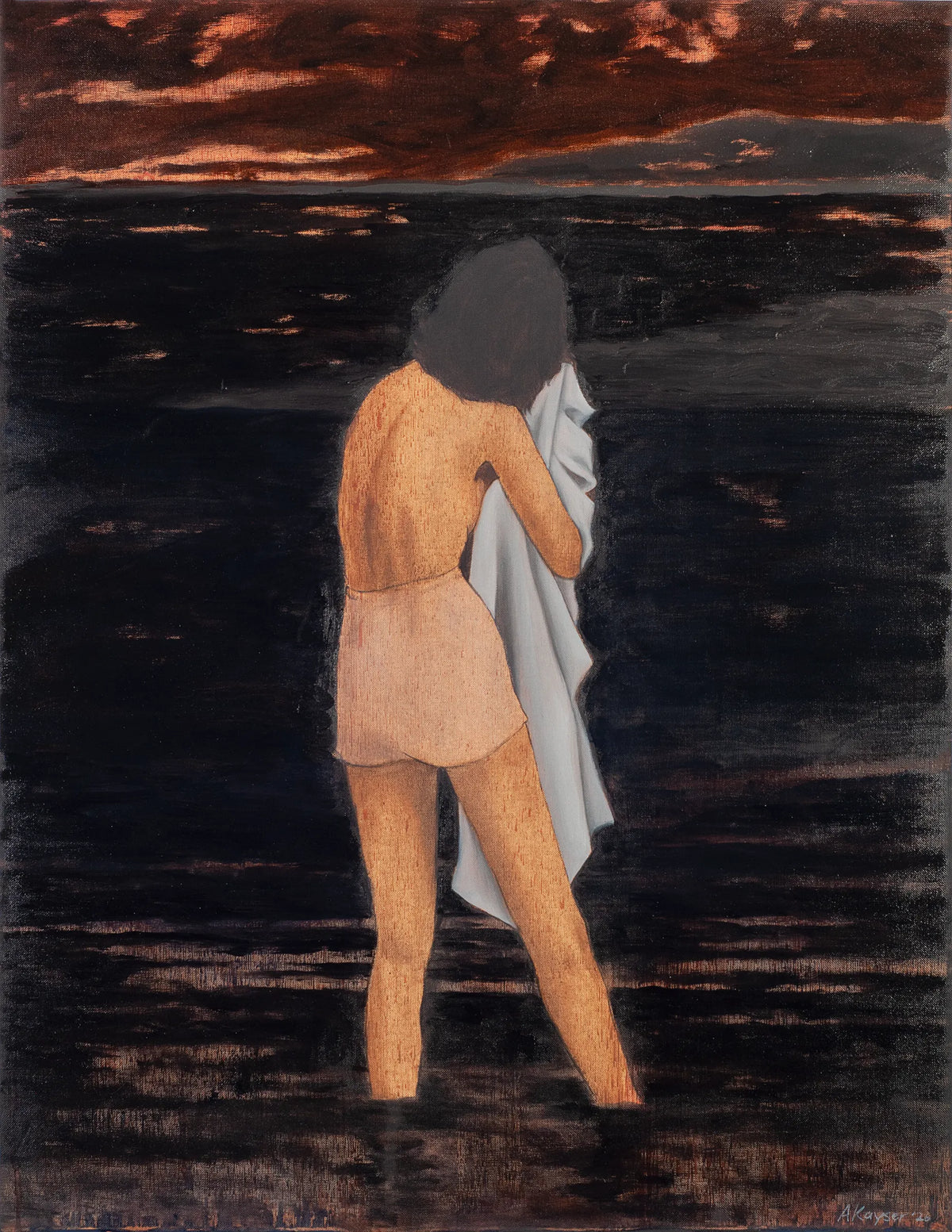
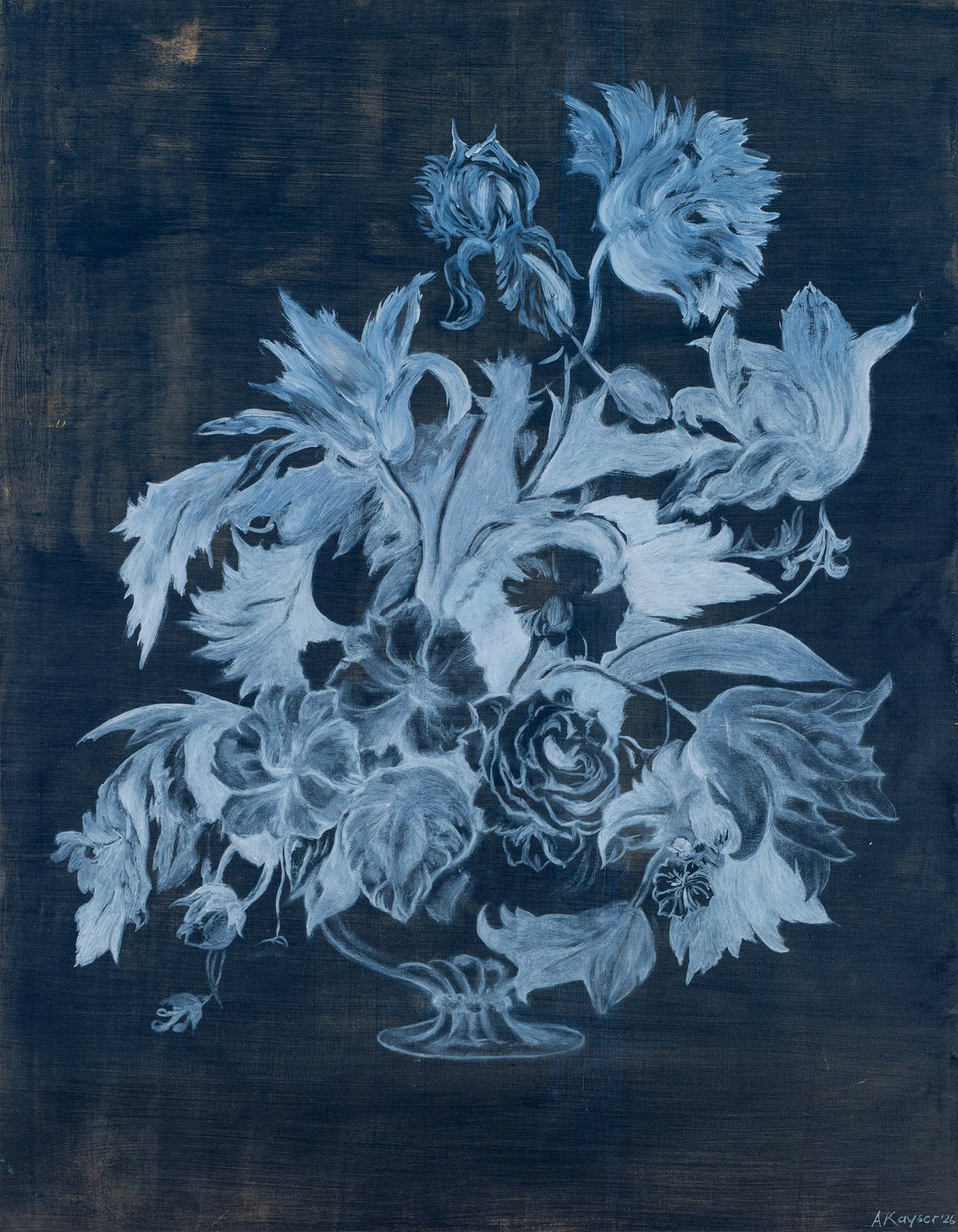
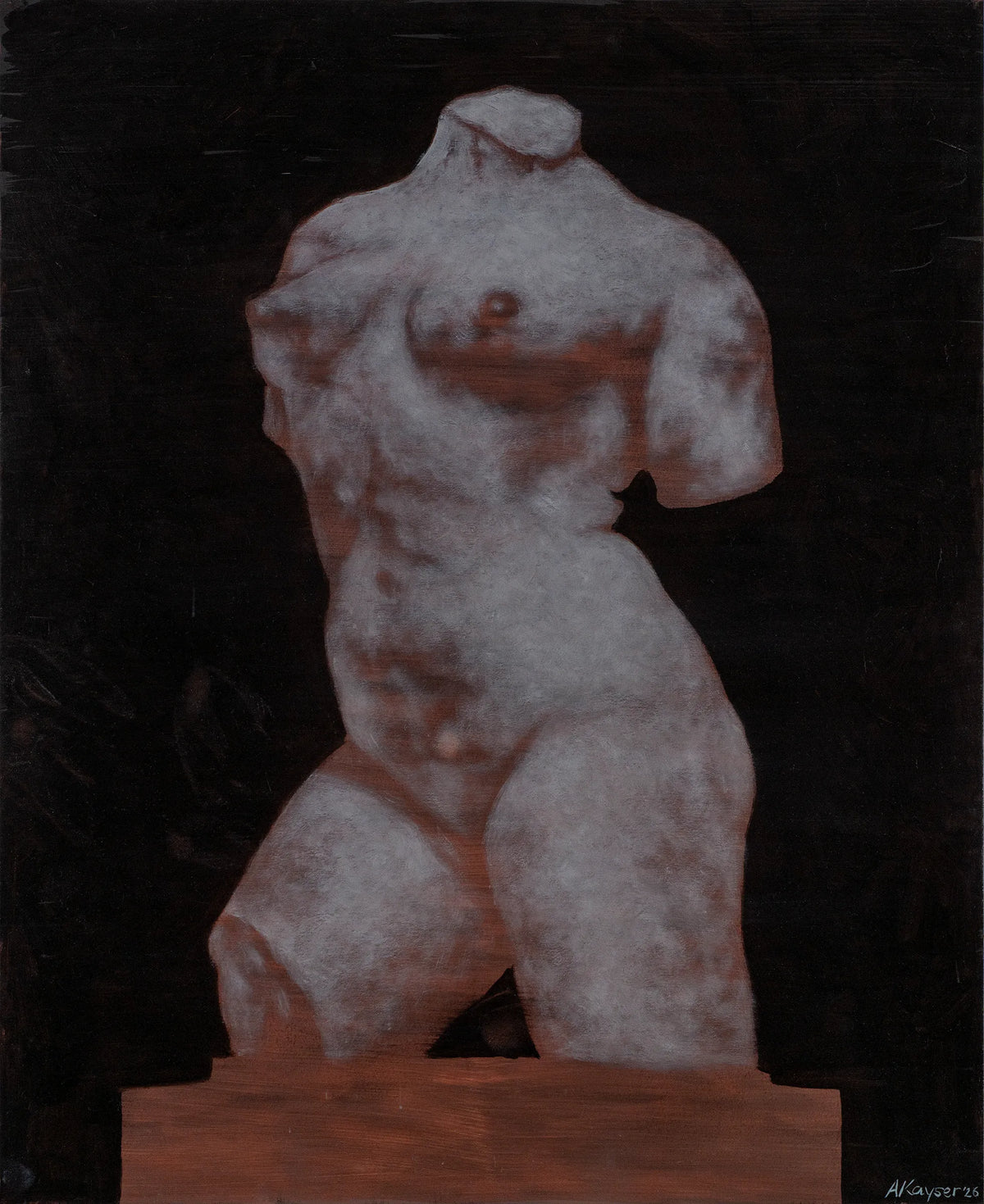
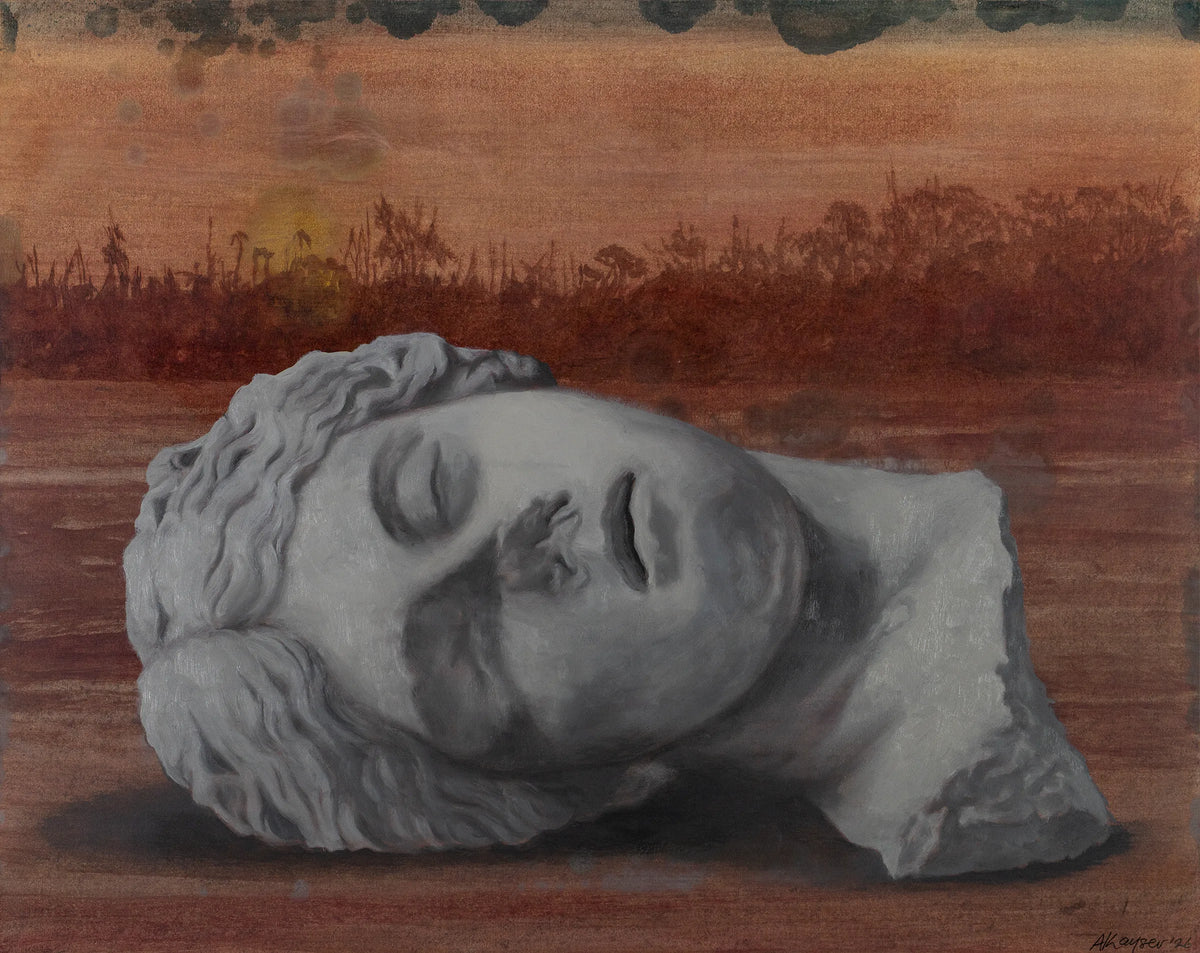
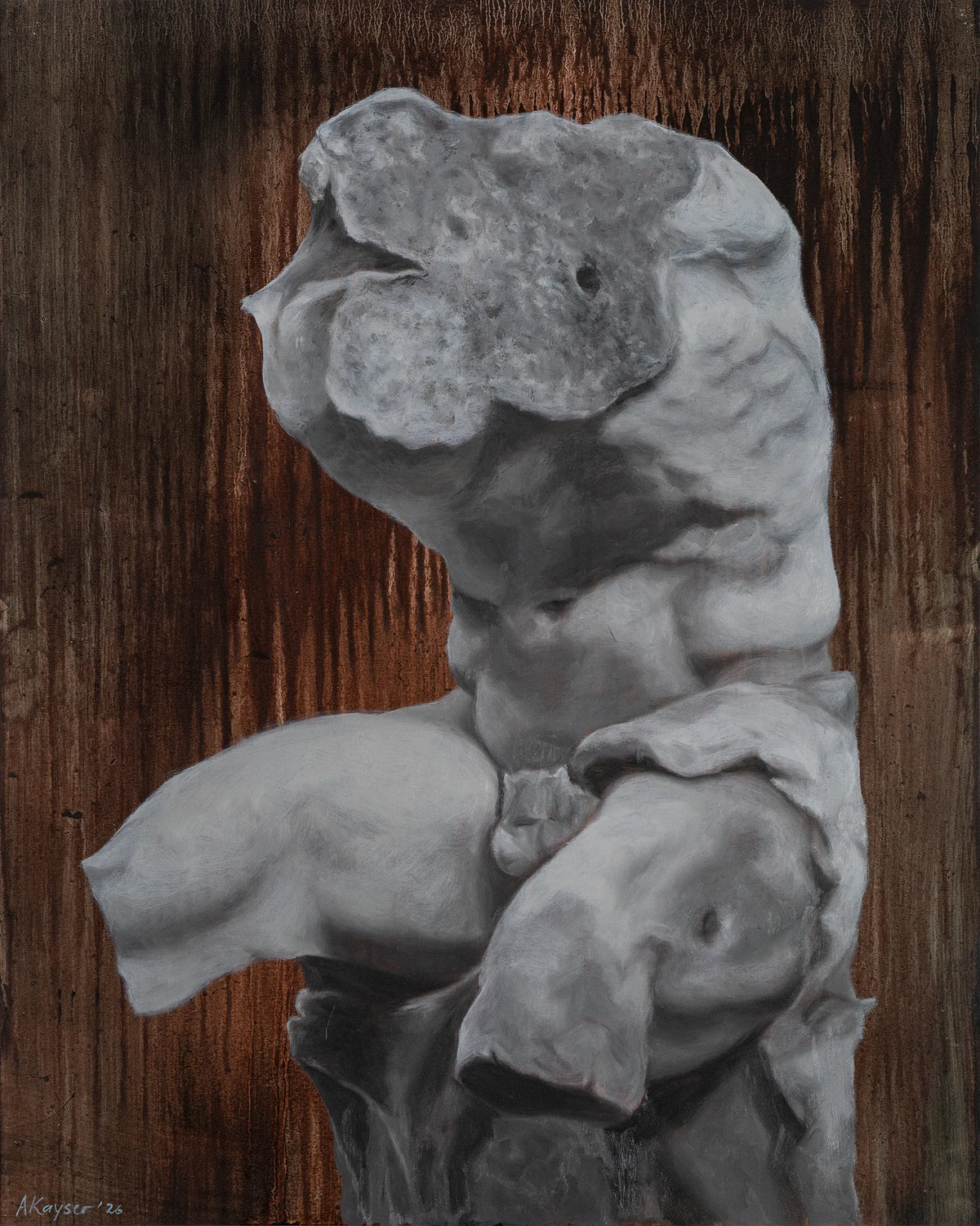
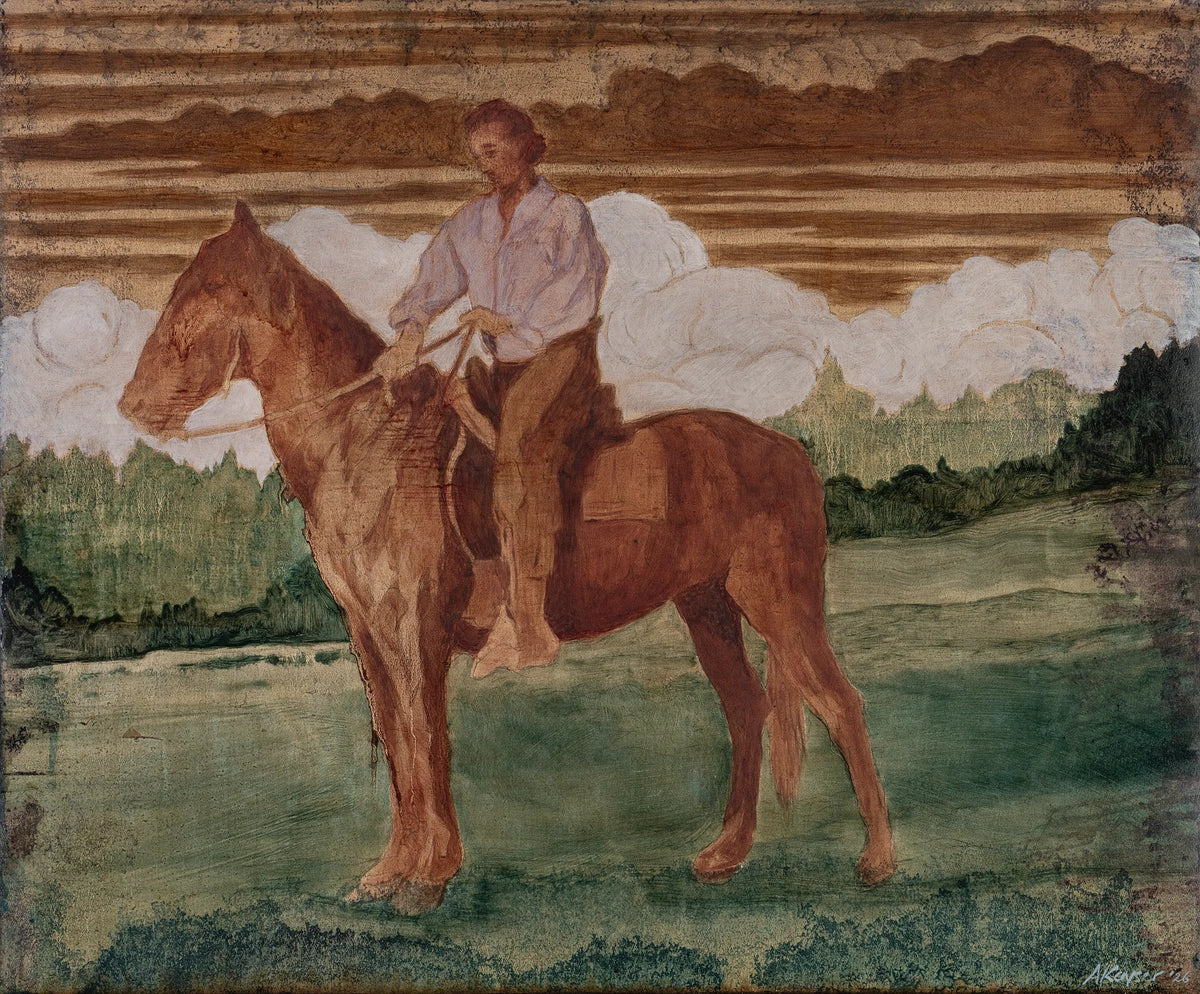
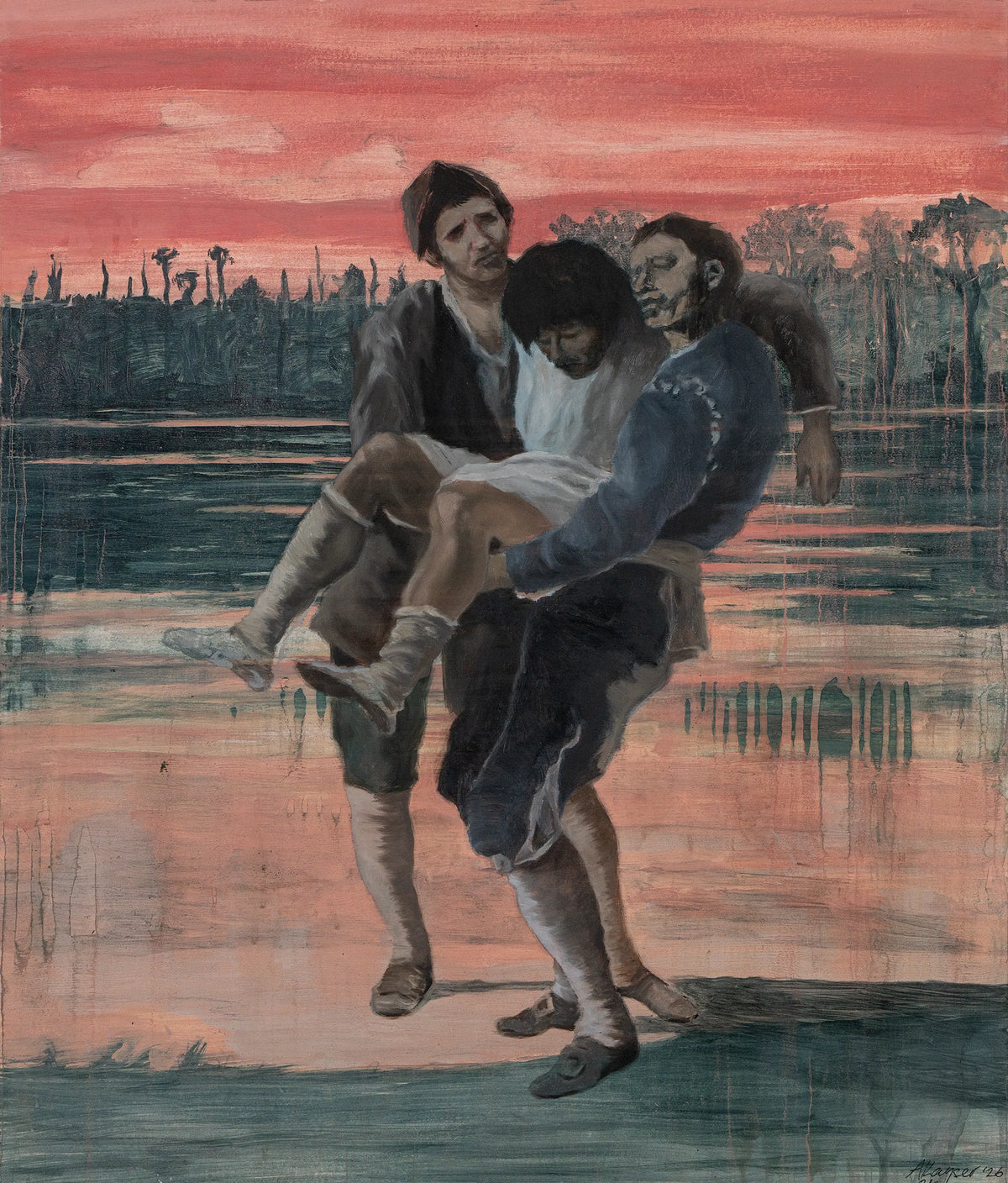
Lately the question I keep returning to is this: does the way I apply paint carry meaning beyond what it depicts? For a long time, the decision of what to paint — the image, the subject — was the primary concern, and rightly so. But it can become a trap. When the image takes over completely, technique ends up in service of getting that image onto the canvas, while the process of painting itself — the actual making — gets reduced to a means to an end. I'm trying to shift that balance: for technique to stop being purely instrumental and start carrying meaning in its own right. Not just what the painting shows, but how it was made, visible and present as part of the work itself.
The works on paper I've been making recently come directly out of this inquiry. They sprang from the larger oil paintings in the studio, and from the same desire to move focus away from the image and toward materiality and process. Paper makes that shift easier to see — mistakes, decisions, and direct evidence of touch show up quicker and more obviouslythan they do on a large canvas, where the same intentions can take much longer to surface.
Some of this is also simply about place. I drew so much from Johannesburg for years: the suburban sprawl, the extreme seasonal swing from a scorched, yellow-grass winter — deep purple-browns, oranges, bleached and desaturated — into a summer overrun by lush, alien vegetation after the rains. Large properties, swimming pools, overgrown gardens. Moving to Cape Town hasn't erased that visual vocabulary; if anything, the distance has made me see it more clearly, even as I look for new ground.
Seth Godin writes, in The Practice, that we don't ship because we're creative — we're creative because we ship. That's the discipline I'm trying to hold onto right now: take what the process gives me, commit to it, and trust that the work gets better through continuing rather than through getting it right the first time.
When I look back at the body of work from the past several years, there's a consistency to it — in approach, in theme, in technique — that I'm genuinely proud of. The works on paper, and whatever comes out of this current stretch of restlessness, are part of that same continuing process. Where it leads next, I'm still finding out.